
Fuel your Brain for Exam Success
Exam season is here and while revision timetables, past papers and sleep routines matter, nutrition can make a real difference too.
Just like athletes prepare for performance, students sitting school and university exams need the right fuel to support concentration, memory, energy and recovery from stress.
The good news is that nutrition for exams does not need to be complicated, expensive or perfect. Small, consistent habits usually work best.
Here are 9 top nutrition tips to help students feel and perform at their best over the next few weeks.
1. Don’t skip breakfast
After a night’s sleep, the brain needs fuel. Going into an exam with no food on board is like expecting a car to run with no fuel (or electric!). A balanced breakfast can help improve concentration, energy and focus during morning revision sessions or exams. Aim for a combination of slow-release carbohydrates and protein.
Simple ideas include:
Porridge with berries and peanut butter
Eggs on toast
Greek yoghurt with fruit and granola
Weetabix and milk with banana
Overnight oats
Bonus tip: If nerves make eating difficult in the morning, try something small such as a banana and yoghurt, or fruit juice and a handful of nuts. A small combination of carbohydrate for energy and protein to keep fuller for longer, is a winning start to the day. If breakfast is really a struggle, a balanced meal the night before is essential as the body will store some energy to use the next day.
2. Think steady energy, not sugar highs
Many students reach for energy drinks, sweets or chocolate when tired. While these can give a quick boost, they are often followed by an energy crash which is not ideal during the exams or revision period.
The goal is stable blood sugar and better concentration throughout the day. Here’s guidance on effective timing:
1-2hrs before exam (most likely breakfast and/or lunch)
- Balanced meal combining the three macronutrients: carbohydrate, protein and fat
20-30 minutes before exam (optional for a pre-exam boost)
- Carbohydrate snack to top up energy stores, e.g. banana or apple, malt loaf, popcorn, snack bar, fruit juice or smoothie
Bonus tip: Suss out the best school canteen options and make sensible choices between exams. Your brain will thank you for choosing a chicken salad wrap (containing protein, carbs and nutrients) over a sausage roll or donut! If you take a packed lunch, stick to any tried and tested favourites but pop a couple of extra snacks in to keep you fuelled.
3. Eat regularly through the day
One of the biggest mistakes during exams is under-eating. Stress, revision schedules and irregular routines can mean students accidentally go hours without eating, which can lead to fatigue, headaches, irritability and poor concentration.
Try not to rely on one huge evening meal. Instead aim for:
3 balanced meals
2 to 3 snacks depending on appetite and activity levels
Consistency matters across the week, more than perfection in any meal.
4. Include protein at meals and snacks
Protein is not just for athletes. It helps support recovery, immune health and feeling fuller for longer. During stressful periods like exams, regular protein intake can help students maintain energy and avoid constant snacking on low-nutrient options.
Experiment for yourself prior to exams starting. Try a breakfast containing no protein (toast and honey) and note your concentration levels and how long before you feel hungry for a snack. The next day, include protein (eggs on toast) and see if it makes a difference.
Easy protein options include:
Eggs
Chicken
Fish and seafood
Greek yoghurt
Milk
Nuts
Cheese (cows, goats, sheep)
Hummus
Beans (baked beans, kidney beans, black beans)
Lentils
Tofu
Aim to include some protein at breakfast, lunch, dinner and snacks, rather than all at once in the evening. Think about using all the eating opportunities through the day to top up on protein. Reaching for an apple? Add some cheddar cubes for a protein boost. Snacking on rice cakes? Add peanut butter or hummus.
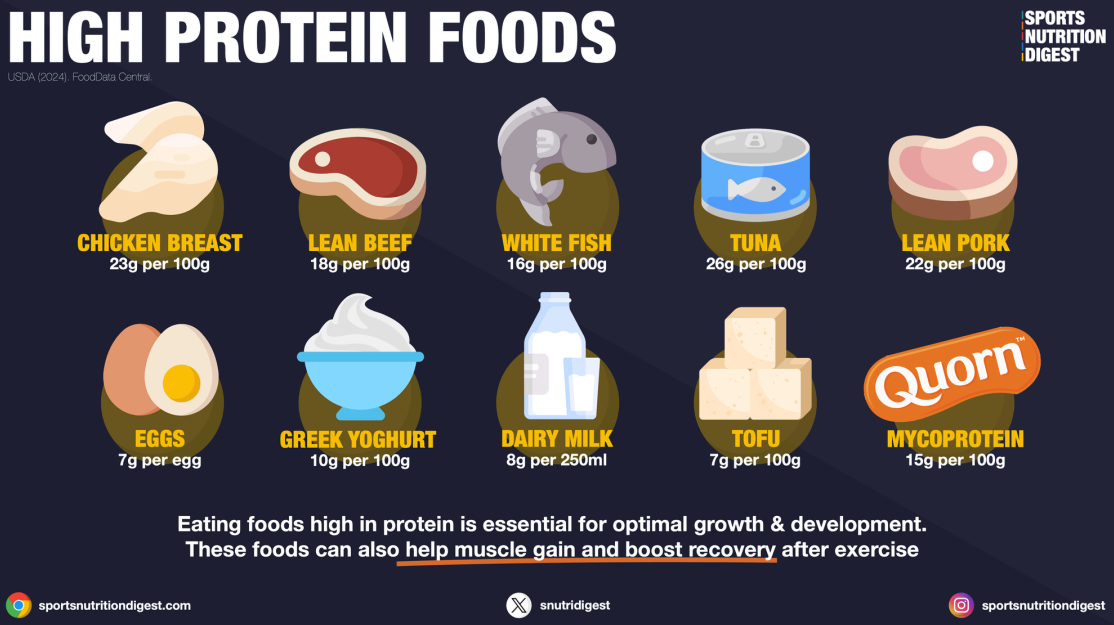
Examples of high protein foods from the Sports Nutrition Digest.
5. Hydration matters
Even mild dehydration can affect concentration, mood and alertness. Students do not need fancy drinks. Water and milk are excellent choices. Keep a water bottle nearby during revision and sip regularly throughout the day.
A simple hydration check:
- If urine is dark yellow, it is usually a sign to drink more.
Some students mistake dehydration for hunger or tiredness. Fizzy or high sugar drinks will affect blood sugar spikes and add more processing load for the body to break down rather than focusing on the important matter of studying!
6. Eat the rainbow
One of the easiest ways to improve overall nutrition and boost cognitive function is to add more colour to meals.
Different coloured fruits and vegetables provide different nutrients that support:
Brain health
Immunity
Recovery
Sleep
Energy production
Blue and purple foods such as blueberries, grapes and beetroot may support brain health, while green vegetables help support immunity and overall health.
Four easy examples:
Add berries to breakfast
Include salad or vegetables with lunch
Snack on a variety of fruit and veg sticks during revision (cucumber, peppers, tomatoes, carrots, plus hummus for bonus protein points!
Add colourful vegetables to pasta, wraps or stir fries
Aim for variety across the week rather than stressing about every meal.
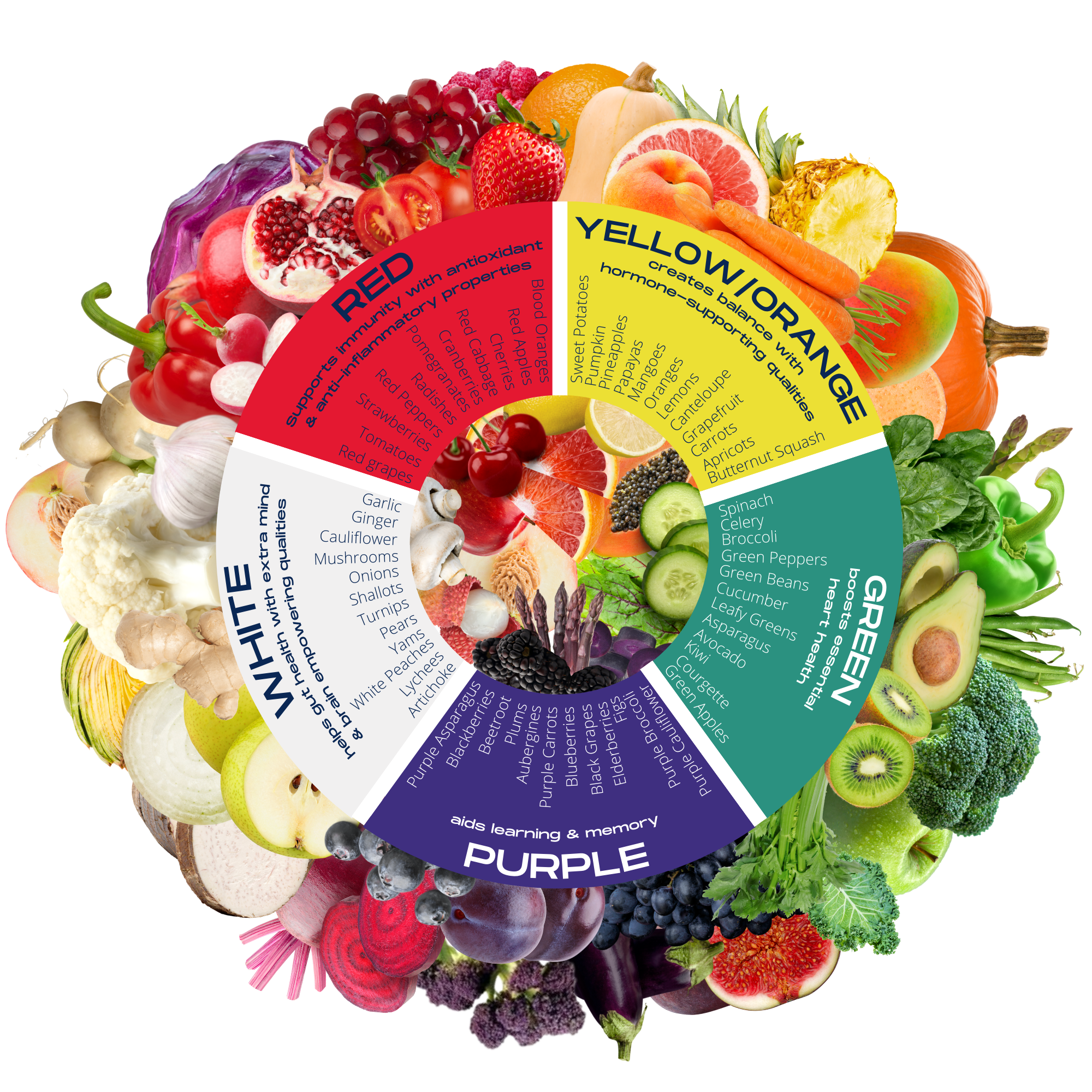
The Future Athletes ‘Eating in Colour’ wheel.
7. Support sleep with nutrition habits
Late-night revision and scrolling can quickly damage sleep quality, and poor sleep affects memory, mood and concentration.
Good nutrition can support better recovery and sleep:
Avoid any caffeine intake late in the day (watch out for soft drinks containing caffeine)
Eat regular meals instead of skipping and bingeing
Have an evening snack about 1hr before bed, don’t go to sleep hungry!
Try foods such as kiwi, yoghurt, oats or tart cherry juice in the evening (kiwi in particular has been shown in research to support sleep quality)
Sleep is one of the most powerful performance tools students have. Combined with effective nutrition tactics, it can be game-changing!
8. Avoid restricting foods or dieting
Stress increases nutritional demands and exams will inevitably bring an element of stress, with the body and brain using more energy during this important period.
Many students also continue training, competing or exercising alongside revision. When stress, sport and lack of sleep combine, recovery becomes even more important.
This is why restrictive dieting, or not eating enough, during exams is rarely a good idea for teenagers (sometimes particular diets are necessary for health reasons or allergies) as it can increase fatigue, illness risk, poor concentration and low mood.
Focus on nourishing the body, and the brain will reap the benefits.
Bonus tip: Fat in a young person’s diet is essential for brain health and effective functioning of the bodily systems. Incorporate unsaturated ‘good’ fats through the week such as olive oil, nuts and seeds, avocado, and oily fish.
9. Keep it realistic and do your best
Students do not need a perfect diet to succeed in exams. A few consistent habits are far more powerful than extreme health trends or expensive supplements.
Focus on:
Regular meals through the day
Enough food overall, if they are hungry let them eat
Good hydration
Increasing protein intake, particularly at breakfast
A variety of fruit and vegetables daily
Sleep and recovery
Parents can help by keeping nutritious foods available, reducing any pressure around eating, and modelling balanced habits themselves.
Final thoughts
Exams are a marathon, not a sprint. The students who tend to cope best are not always the ones revising the longest, but often those supporting their brain and body consistently along the way.
Good nutrition will not replace revision, but it can absolutely help students feel calmer, sharper, more energised and more resilient during the most intense period of their school life.
Don’t make any drastic changes without trying them first on a non-exam day. An athlete wouldn’t experiment with a new sports hydration drink on race day, and the same goes for exam nutrition.
Whether the goal is to secure the grades required for the next stage of study or career, or to achieve grade 9 or A* across the board, solid nutrition foundations should form an essential part of the exam game-plan.
FAQs
1. What should students eat on the morning of an exam?
Aim for a balanced breakfast containing carbohydrate for energy and protein to help concentration and fullness. Good options include porridge with fruit, eggs on toast, yoghurt with granola, or Weetabix with milk and banana. If nerves make eating difficult, try something smaller or liquid form such as a smoothie, yoghurt, handful of nuts and berries.
2. Are energy drinks helpful during exams?
Not usually. While energy drinks may give a short-term boost, they are often followed by an energy crash, increased anxiety and poorer sleep quality. Water, milk and balanced meals are generally much more effective for maintaining steady focus and energy throughout the day.
3. Which foods are best for concentration and memory?
There is no single ‘magic brain food’, but regular balanced meals help the brain work at its best. Foods containing Omega 3 are known to support cognitive health, with an ideal recommendation of 2-3 forms of omega 3 containing foods per week (salmon, sardines, mackerel, flax seed, chia seeds). For those who don’t like fish, try adding small amounts to your favourite pasta meal, or pan-frying/air-frying salmon with olive oil for a crispier texture. Dark blue and purple foods can also support brain function, such as berries, grapes and beetroot, but all colourful fruit and vegetables will add vital nutrients into the diet.
4. Should teenagers take supplements during exam season?
At Future Athletes we take a food-first approach, and most students who eat a well-rounded diet with plenty of variety will gain all the important vitamins and minerals for overall health. If a young person has a limited diet, a good quality multi-vitamin containing Vitamin C, and an Omega 3 supplement, can be helpful to top-up at times when the mind and body is under more stress or activity. Good sleep, hydration and consistent eating habits are far more important than quick fixes or expensive supplements.
5. How do I stop my teen eating junk food while they are revising?
The key is moderation and encouragement. It might not be realistic to rule out crisps, chocolate bars and sweets throughout the exam marathon! Instead, aim for a balance by allowing them an occasional indulgence, but explain the benefits (send them this article) of making choices for themselves that will support their studies and help them to feel at their best. Keeping the fridge well stocked with healthy, filling choices, and making a list of simple snack options, will help to lower stress levels for students and parents!
Adam Lloyd MSc mBANT is a nutritional therapist specialising in sports nutrition for youth athletes. Adam graduated in Nutritional Therapy from the University of Worcester in 2019, followed by an MSc in Sports Nutrition in 2022. He continues his professional development with the Centre for Integrative Sports Nutrition. He is registered with BANT governing body and listed on the Complementary and Natural Healthcare (CNHC) register.